

Do brands still need an e-commerce?
[TL;DR: yes, but…] If AI becomes a new source of inspiration, brands will need to shift their mindset.

📍Starting Point
In September, OpenAI began in the U.S. its process of transforming ChatGPT into a digital shop. The strategy started with Instant Checkout, the feature that allows users to complete the purchase without ever leaving the chat.
The rollout began with U.S. Etsy sellers and, in the next months, Shopify merchants will be able to sell directly through ChatGPT conversations, opening up a new scenario for fashion brands.
👻 The 60% Problem
As reported by Bain & Company, about 60% of searches now end with zero clicks to external websites, as AI-generated answers satisfy users directly on the results page. This has one main consequence: AI overviews can reduce organic web traffic by 15% to 25%. Moreover, Vogue Business highlighted that Gen Z LLM users are more inclined to seek shopping recommendations, showing how fashion advice in 2025 could become increasingly AI-assisted.
🚀 The Power Of Direct Traffic
All this data creates a scenario where each purchase decision can be transformed into an AI-inspired purchase decision, in theory. I think that we are all underestimating the value of direct traffic. Let’s look at what happened in September with some inspiring brands:
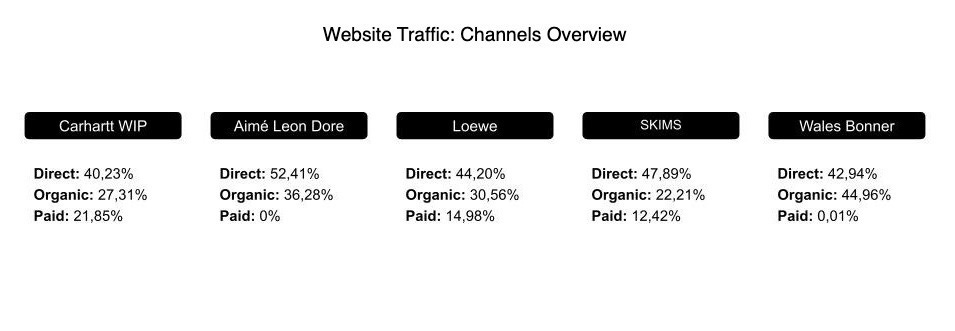
If AI becomes a new source of inspiration, reducing organic traffic and the relevance of paid traffic, direct traffic is going to be more important than ever.
🧠 Mental Availability
For increasing direct traffic, brands have to consider the power of mental availability: the likelihood that a brand comes to mind in a buying situation. It is built through repeated exposure to distinctive brand assets and associations with needs or usage occasions. The more memory structures a brand builds, the more likely it is to be mentally accessible at the moment of choice.
⚡️⚡️⚡️ Takeaway
Yes, brands will still need their e-commerce platforms but the scenario is changing with a new digital touchpoint able to complete the entire consumer journey (post-purchase aside, at the moment). This will force brands to a mindset shift: no longer being the highest bidder in ad auctions but the smartest in creating cultural capital for being relevant, present and trusted. Both online and offline.
Only with that approach they will be able to build the mental availability needed for being a source of inspiration for their audience.
The real question is: are brands (and their decision makers) ready for this shift?